

The week before a marriage-based green card interview, most people worry about the same thing. What if I say the wrong thing? The interview is not a trap. It's a checklist. Knowing how it goes takes most of the fear out.
Before you go in
Your appointment letter tells you the field office, the time, and which documents to bring. Get there thirty minutes early. Security works like an airport. No phones out inside the interview area, and no big bags. You'll wait in a lobby with a lot of other people doing the same thing.
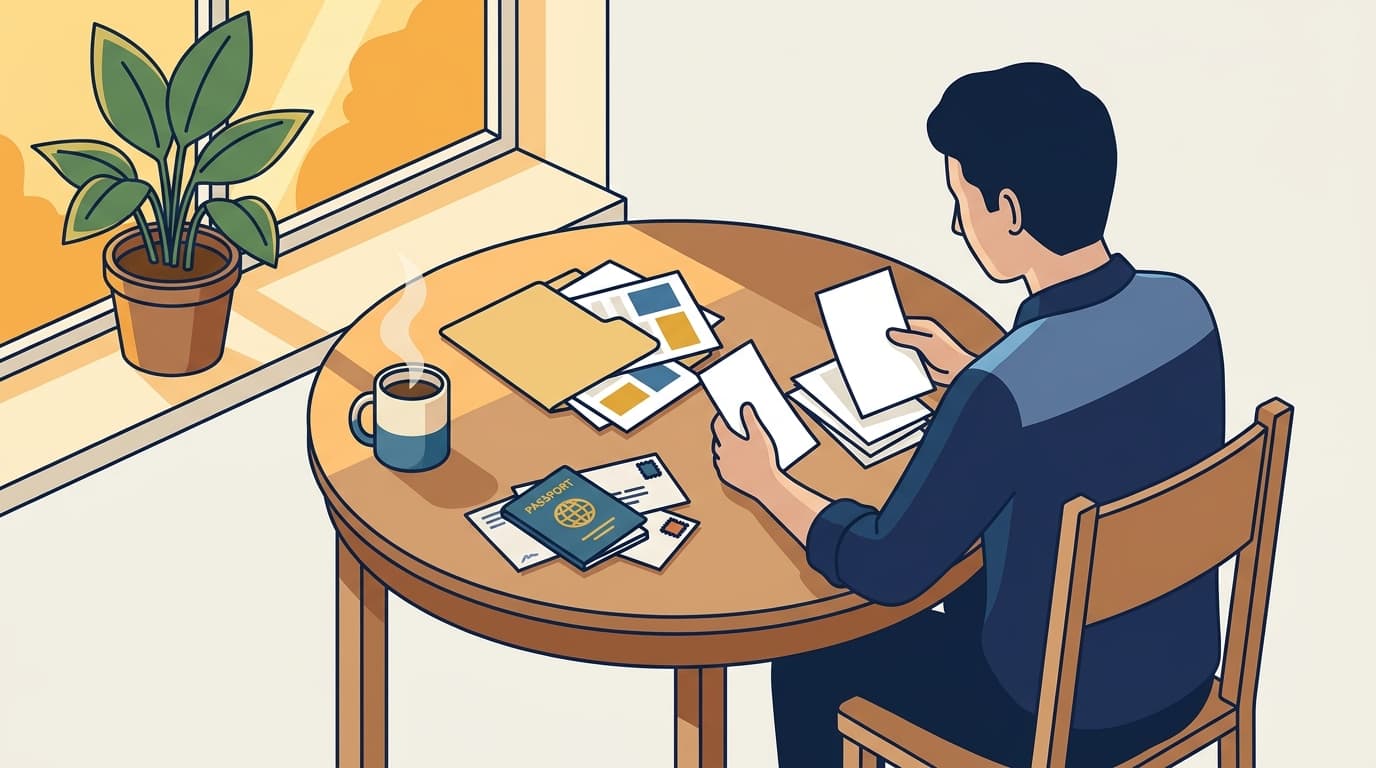
Bring the originals of everything you filed copies of. Passport, birth certificate, marriage certificate, tax returns, joint account statements, photos together, and your lease or mortgage. If any documents are in another language, bring the certified English translations too. The officer will spend the most time on the documents that show your life together.
What the officer asks
For a marriage-based case you'll be called in as a couple. Both of you are sworn in. Then the officer goes through your I-130 and I-485 out loud and asks you to confirm the answers. Names, dates, addresses, jobs. This is a check that the file matches the people in the room.
Then come the questions about your life together. How did you meet? When did you decide to marry? What was the wedding like? Who cooks? Who takes the trash out? Any real couple can answer these. The officer is listening for small, honest details, not rehearsed answers.
They may ask whether anything in the file has changed. Answer honestly. If you don't remember something exactly, "I don't remember the exact date" is a fine answer.
How it can end
There are three usual outcomes.
- Approved on the spot. The officer tells you the case is approved and hands you a printout. The card arrives in the mail a few weeks later.
- Continued. They need a document you didn't bring, or they'll send a Request for Evidence so you can send it later. This is not a rejection.
- Second interview. This is rarer. If the officer isn't sure the marriage is real, they may schedule a second interview where you're questioned in separate rooms. If that happens, you want a lawyer involved.
Most cases end with the first or second outcome.
Where a lawyer helps
Immigration paperwork does not forgive missing pieces. An immigration attorney can look at your file before the appointment and tell you what might slow it down. They can come with you. If your case has complications, like a past visa denial, a criminal record, or a gap in the marriage timeline, their read makes a real difference.
A Nevada-licensed immigration lawyer can answer that for your situation.
A note from Counsel Wise Connect. We're a marketing agency, not a law firm, and nothing here is legal or immigration advice about your case. Every situation is different. Take the questions in this guide to a Nevada-licensed attorney. Reading is free, always.